
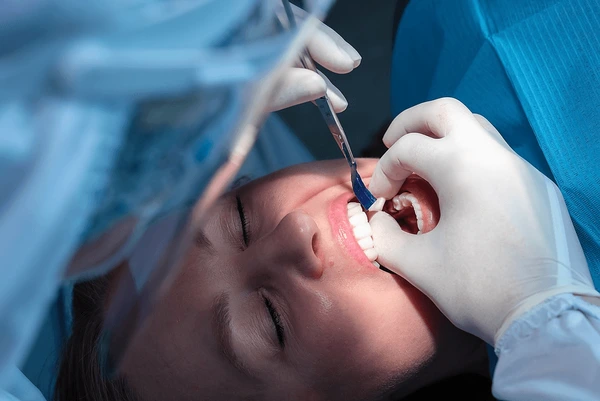
Not all broken teeth need to be extracted.
Often the tooth is still healthy enough to stay in place; it just needs a little extra support to keep doing its job. That’s where dental crowns come into play.
A crown is not simply a cap placed over a tooth. This custom restoration is designed to protect weakened tooth structure and restore the tooth’s strength, appearance, and shape.
Whether the damage is due to a large cavity, a crack, years of wear, or even a prior dental procedure, a crown can help to strengthen the tooth and keep it working as part of a healthy smile.
Knowing when a crown is recommended and how it can help restore a damaged tooth can help you make informed decisions about protecting your oral health in the long run.
Fillings are a good option when there is enough healthy tooth to hold them. However, larger cavities can make the tooth more prone to cracking when chewing.
This means that instead of repeatedly filling with larger fillings, a dental crown covers the remaining tooth structure and provides the additional support needed to restore strength and function.
A cracked tooth can often be saved. If the damage is not so severe that the tooth cannot be saved, a crown is often recommended to hold the remaining structure together.
By covering the tooth, you can reduce the risk of the crack worsening, and many patients can continue to function normally with the tooth.
Root canal treatment cleans and seals the inside of the tooth, but the remaining tooth structure may become more susceptible to fracture over time.
The crown is placed later to help reinforce the tooth and allow it to withstand normal chewing forces without undue stress.
Large fillings and old crowns wear down over time. If they start to fall apart or no longer fit well, bacteria can sometimes reach the tooth underneath.
Instead of restoration, a new crown is fitted to protect the tooth and restore its strength and appearance.
All crowns begin with a comprehensive exam. Your dentist will check how much healthy tooth structure is left, look at your bite, and may take digital X-rays to see what’s going on below the gumline.
This information helps us determine if a crown is the best way to restore the tooth or if another treatment would better meet your needs.
Using impressions or digital scans, a crown is then made to fit your tooth exactly. The restoration is designed to blend in with the size, shape, and color of the surrounding teeth and restore proper function. Every adjustment is made with comfort and long-term durability in mind.
After your dentist has checked the fit, appearance, and bite of your custom crown, he will cement it in place.
Small adjustments are made as needed to make the restoration feel natural during everyday activities like eating, speaking, and smiling. The final tooth crowns in Montchanin, DE, restore the tooth to function comfortably and protect it from further injury.
| Who Qualifies? | Dental crowns may be a good option for patients with large cavities, cracked or worn teeth, teeth that have had root canal treatment, or failing restorations. |
| Process Overview | Step 1 Your dentist will examine the broken tooth to determine whether a crown is the best treatment. Step 2 The tooth is prepared, and impressions or digital scans are taken for a custom-made crown. Step 3 The crown is then placed and adjusted before being permanently cemented, restoring the tooth’s strength, appearance, and function. |
| Timeline | Most traditional dental crown procedures are performed in two visits, although the timeframe may vary depending on the individual case. |
| Aftercare | Brush and floss every day, go for regular dental checkups, and avoid chewing hard objects, which can put undue stress on the crown. |
| Location & Contact | Garrett B. Lyons D.D.S100 Rockland Rd Ste P1, Montchanin, DE 19710, United States |
A key objective of restorative dentistry in Montchanin, DE, is to preserve natural teeth as healthy and functional as possible. A dental crown is a great way to cover and protect a weakened tooth rather than removing it.
If there is sufficient remaining healthy structure, a crown strengthens the tooth so it can continue to function as part of your natural smile. It preserves the original tooth, maintains normal bite alignment, and reduces the need for more extensive tooth replacement options.
A damaged tooth often changes the way people eat. You might not chew on one side, avoid certain foods, or worry that the tooth might crack further while you’re eating.
A well-fitted crown restores the strength the tooth needs to chew normally by spreading the biting forces more evenly. This allows many patients to eat comfortably again without always thinking about the involved tooth.
In Montchanin, DE, modern dental crowns are designed to look good and work well. Each crown is custom-made to fit comfortably in your smile by matching the shape, size, and shade of your natural teeth. Whether it’s a crown on a front tooth or a back molar, the objective is a restoration that looks natural but restores full function.
A damaged tooth is not just a problem in one part of your mouth. It can alter your bite, put pressure on adjacent teeth, and create areas where further problems can develop.
The crown on the tooth helps to restore a healthier bite and reduce unnecessary stress on the surrounding teeth. Crowns also contribute to long-term oral health and stability when used in conjunction with routine dental visits and good home care.
Living with a damaged tooth is not always painful, but it often changes everyday habits. Some are worried about chewing only on one side of their mouth; others fear that a weakened tooth might break at a moment’s notice.
Treating the tooth before the damage progresses often makes treatment simpler and helps retain more of the natural tooth structure. When patients are thinking about a crown dentist in Montchanin, DE, they usually want a restoration that feels secure, functions naturally, and blends in with their smile.
Whether it’s after a large cavity, a cracked tooth, or another restorative procedure, receiving a crown from an experienced dentist will help ensure the treatment is suited to your specific oral health needs and long-term goals.
1. What are signs I need a dental crown?
A dental crown may be recommended by your dentist if your tooth has extensive decay, a large filling, a crack, significant wear, or has recently had a root canal. Your dentist in Montchanin, Delaware, will examine the tooth and recommend the best type of restoration based on its condition.
2. What is the life span of dental crowns?
Many dental crowns can last over a decade if cared for properly. Their lifespan is determined by factors such as oral hygiene, bite force, and the avoidance of habits like chewing ice or hard objects.
3. Can you get cavities in a crowned tooth?
The crown itself won’t get a cavity, but the natural tooth underneath still needs proper care. Brushing, flossing, and regular dental visits prevent decay at the edges of the crown.
4. How do I take care of my dental crown?
Taking care of a dental crown is very similar to caring for your natural teeth. Brush your teeth twice a day, floss carefully around the crown, and visit your dentist for regular cleanings. Following your dentist’s advice can help maintain the health of both the restoration and the tooth that supports it.
Dental crowns not only restore a damaged tooth but also help you maintain your natural smile, improve your comfort in everyday life, and provide long-term protection for teeth compromised by decay, fractures, or previous dental treatment.
Often, the best chance for patients to keep their natural tooth in function for years to come is to address the problem before further damage occurs.
If you are interested in dental crowns in Montchanin, DE, or want to learn more about your restorative dentistry options, call Garrett B. Lyons, D.D.S., to schedule a consultation today.





Monday
7:40am – 5:00pm
Tuesday
7:40am – 5:00pm
Wednesday
7:40am – 5:00pm
Thursday
7:40am – 3:00pm
Friday
7:40am – 1:00pm
Saturday
Closed
Sunday
Closed