When a tooth becomes damaged, worn down, or weakened, many patients worry that extraction might be the only option. Another symptom of TMJ difficulties that many don’t think about is trouble sleeping. People commonly clench their jaws and grind their teeth while sleeping without knowing it.
Common indicators include aching jaws in the morning, tight face muscles, or headaches when you wake up. Some patients say they still feel tired despite getting a full night’s sleep.
Not getting enough sleep might make you feel bad, lose attention, and have less energy. This can affect how well you do your job and your general health over time. A lot of folks don’t put these things together until they talk to a dentist about TMJ.
For thoughtful, long-term dental care, see Garrett B. Lyons, D.D.S. The goal is to help you understand your options clearly before making a decision. This is usually where patients pause and start asking questions.
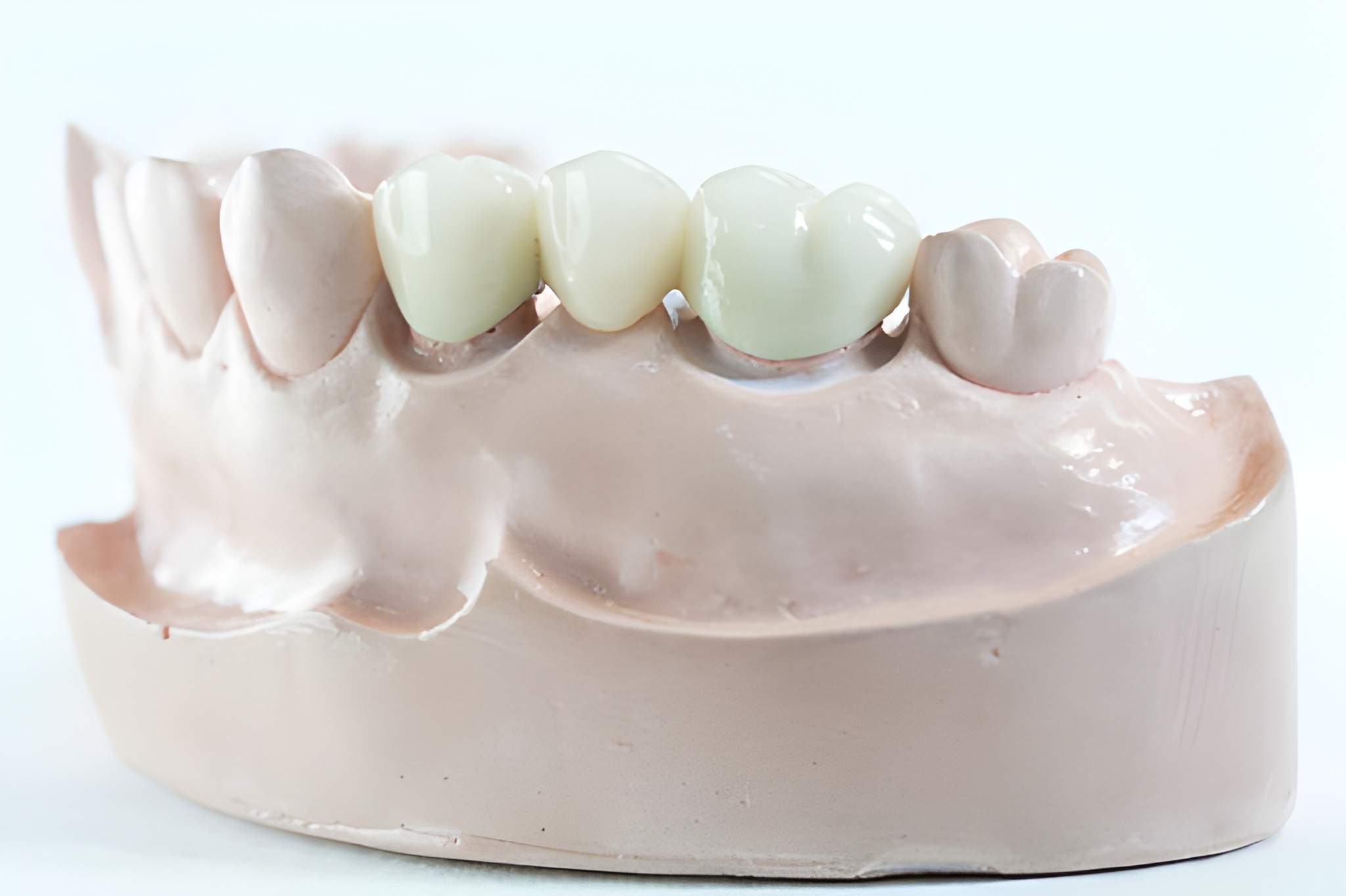
A dental crown is a custom-made restoration that fits over a damaged or weakened tooth. Once placed, it protects the tooth and allows it to function normally again.
Crowns are commonly recommended when a tooth:
Many patients are surprised to learn that crowns don’t mean losing the tooth. In most cases, the goal is exactly the opposite: preserving the natural tooth while preventing future damage.
Most people don’t realize this until it’s explained in person by a trusted dentist in Montchanin, DE.
When a tooth becomes weaker, smaller treatments may no longer work. Over time, fillings might fail, fissures can expand, and pain can get worse.
Dental crowns give:
Most of the time, the basic aim is simple: keep the tooth safe until it becomes a major problem. A crown helps patients avoid the need for further treatment later on. At this time, many patients start to feel better because they know there is a clear plan for the future.
Knowing what to do might help ease your worries. Usually, the process takes two visits, although patients generally find that it goes more smoothly than they thought it would.
The first step is to take an exam and some pictures to see how the tooth is doing. This will help you decide if a crown is the best choice or if alternative therapy would be better.
After a crown is suggested, the tooth is carefully prepped. The tooth is sculpted so that the crown fits snugly, and any decayed or weak parts are repaired. This process seems complicated, but it’s really not.
Impressions are taken after the preparation to make the permanent crown. These imprints ensure the crown fits well and looks natural with the other teeth.
To safeguard the tooth while the final crown is being made, a temporary crown is put on. In the interim, this lets patients chew and grin without pain. Some people feel anxious here, while others feel serene. Both responses are normal.
When the permanent crown is ready, the temporary crown is removed, and the final one is placed. The dentist checks fit, bite, and appearance before securing it in place.
This step is usually quicker than patients expect. Once the crown is bonded, the tooth feels stable again, and normal function is restored. This is often the moment patients stop worrying about the tooth entirely.
One of the most common concerns is discomfort. Most patients report feeling pressure during treatment, but not pain, thanks to effective local anesthesia.
After placement, mild sensitivity is normal for a short period. This typically fades as the tooth adjusts. Once healed, the crown should feel no different from a natural tooth.
Honestly, this is the part many patients worry about before treatment. Once it’s finished, the reaction is usually the same: it wasn’t nearly as uncomfortable as expected.
Depending on where the tooth is and what the patient requires, dental crowns can be constructed from a variety of materials.
Some common types of crowns are:
Your dentist in Montchanin, DE, can help you decide which choice strikes the best balance between strength, appearance, and durability. This is also where a lot of uncertainty happens, which is why it’s important to be explicit.
Dental crowns can survive for many years if you take good care of them. The tooth’s lifespan depends on factors like how clean your mouth is, how often you grind your teeth, and how much pressure it experiences when you eat.
You should brush and floss your crowns just as you do your natural teeth. Regular visits to the dentist help keep them safe and healthy. Most of the time, crowns don’t break all at once; they break progressively. Regular treatment helps detect problems early, before they get worse.
It is easier to take care of crowns when you choose a dentist in Montchanin, DE. It’s simpler to get follow-ups, make changes, and have regular checkups when your dental team is close by.
Patients typically like visiting people they know throughout therapy. That consistency creates trust and makes the whole thing less stressful. Patients at Garrett B. Lyons D.D.S. appreciate straightforward communication and consistent care from the beginning to the end of their treatment.
Q. Does getting a crown hurt?
Most patients feel little to no pain due to effective anesthesia.
Q. How long does the crown process take?
Typically, two visits, though timelines can vary.
Q. Can I eat normally with a crown?
Yes. Once placed, crowns restore normal chewing function.
Dental crowns are a reliable way to restore damaged teeth while preserving your natural smile. Understanding the process makes treatment far less intimidating. At Garrett B. Lyons D.D.S. , crown care is approached with precision, comfort, and long-term results in mind.
If you’re considering a dental crown in Montchanin, DE, scheduling a consultation with a trusted dentist in Montchanin, DE can help you move forward with clarity and confidence.